In the not-so-distant past, autos were equipments you could comprehend simply by popping the hood. Mechanical systems ruled the day, and dealing with issues often indicated turning a wrench or replacing a physical component. However a brand-new period is below-- one where cars are coming to be a lot more like computer systems on wheels. Software-defined cars are changing just how we drive, just how we identify problems, and most significantly, exactly how we preserve them.
From Hardware to Software: What's Really Changing?
The term "software-defined vehicle" may appear futuristic, yet opportunities are you've already seen one at work. These lorries depend heavily on incorporated software application systems to manage everything from enjoyment to steering. Rather than separated electronic control units dealing with tasks individually, software-defined autos use systematized computing to take care of the car holistically. That change brings substantial convenience, but also brand-new responsibilities for owners and technicians.
Unlike standard vehicles, where deterioration is easy to find and detect, software-defined automobiles frequently keep efficiency information, error codes, and system health and wellness records deep within inner digital systems. This implies diagnostics currently call for specialized tools and software application proficiency. An auto mechanic can not count only on noise, smell, or vibration-- they also need to review the information.
Regular Maintenance Is No Longer Just Routine
Traditional maintenance, like tire turnings and liquid substitutes, continues to be crucial, but the way those needs are identified and dealt with has shifted. In software-defined vehicles, even standard suggestions-- such as when it's time for an oil change in Longmont motorists can rely on-- are generated by algorithms assessing driving practices, gas mileage, and system efficiency. It's no more about hitting a set gas mileage. It's concerning what the automobile understands concerning you.
This change isn't just cosmetic. For instance, tire stress isn't examined by eye-- it's monitored continuously by sensors that inform you just when something is absolutely incorrect. That's convenient, but it also implies you're more reliant on the cars and truck's software application working appropriately to maintain you risk-free and informed.
Identifying Problems in a Digital World
In the age of software-defined vehicles, diagnosis has actually handled a whole new significance. Gone are the days of just inspecting belts or filters. Now, when a caution light comes on, it might point to a software application bug, a failed upgrade, or perhaps a damaged sensing unit reading-- issues that do not constantly need parts, yet rather patches.
This change indicates that repairing vehicles increasingly relies on downloading the most recent software, recognizing version compatibility, and perhaps even collaborating with designers remotely. It's an unlike swapping ignition system in your garage. Mechanics are coming to be part professional, component programmer.
Updates Over the Air-- and Under the Radar
One of one of the most revolutionary changes brought by software-defined cars and trucks is the concept of over-the-air updates. These updates can modify engine efficiency, add safety and security features, or fix insects, just like a smart device. What once required a trip to a store currently takes place quietly while your car sits in the driveway.
Yet this convenience has trade-offs. Owners have to remain alert to upgrade alerts, just as they would for a phone or computer. Neglecting them can lead to issues in the future, particularly when efficiency, safety and security, or connection goes to risk.
Still, this sort of proactive upkeep represents an exciting step forward. Think of enhancements that present immediately, maintaining your cars and truck more secure and smarter without a wrench ever before being raised.
The Technician's Role Is Evolving Fast
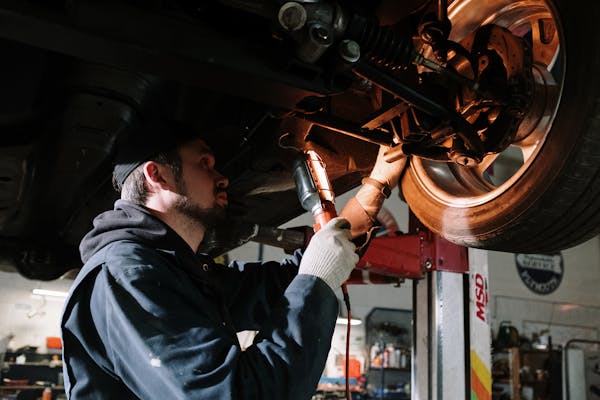
With automobiles ending up being a lot more electronic, the job of the technician is developing just as rapidly. Today's technician isn't simply somebody who knows engines inside and out-- they additionally recognize code, computer systems, and software application logic. They need to be comfortable diagnosing both physical and digital troubles.
This development is fantastic news for vehicle drivers since it implies more specific repair services and fewer experimental services. If your alignment really feels off, an expert can currently use both physical calibration devices and digital diagnostics to guarantee your Longmont wheel alignment is spot-on, potentially capturing early warning signs that would've been missed in the over here past.
What Breakdowns Look Like in a Software-First World
Even the idea of an automobile malfunction is altering. Yes, tires still strike and batteries die-- but oftentimes, the vehicle can discover a failure before it takes place. A lorry could alert you that your alternator is compromising, giving you time to set up solution rather than ending up stranded on the side of the freeway.
That stated, no system is perfect. Vehicles still experience issues that require traditional aid. For example, if your car loses power in the middle of a snowy evening or your software program upgrade goes awry, having access to reliable Longmont towing is still essential. Regardless of exactly how innovative cars become, some problems will always need a human touch-- and a tow truck.
Ownership Responsibility in a Digital Age
With fantastic tech comes terrific obligation. Software-defined automobiles use effective new abilities, but they also demand that owners stay informed. Routine system checks, update installations, and electronic diagnostics are all part of maintaining your auto in leading form.
That implies making maintenance a consistent behavior. It additionally indicates partnering with service professionals that understand the nuances of both equipment and innovation. You wouldn't ignore a security upgrade on your phone-- your cars and truck should have the same degree of interest.
The Future of Car Care Is Here
Software-defined vehicles are below to stay. They supply a lot more safety, far better performance, and smarter diagnostics-- yet they likewise raise bench for upkeep. Whether it's syncing up your newest system updates, inspecting sensor responses, or scheduling your following oil change in Longmont, motorists rely on it, and it's crucial to understand the digital side of your car.
Maintenance might no more revolve around an oily tool kit, but the principles continue to be the same: understanding, uniformity, and expert support. The very best point drivers can do in this new age is remain educated, stay curious, and deal with pros that recognize the hybrid globe of software and hardware.
To stay ahead of the curve and maintain your automobile running efficiently, make certain to examine back here for more insights into the ever-changing world of car care.